

Call us now
08045800138

 Send Inquiry
Electric Calorimeter (Calorimeter, Joule)
MOQ : 10 Pieces
Electric Calorimeter (Calorimeter, Joule) Specification
- Usage
- For Determining the Mechanical Equivalent of heat by measuring the heat generated in an electrical resistance
- Voltage
- 6 Volt (v)
- Product Type
- Electric Calorimeter
- Material
- Steel
- Feature
- Long Working Life and High Strength
- Color
- Silver and Black
Electric Calorimeter (Calorimeter, Joule) Trade Information
- Minimum Order Quantity
- 10 Pieces
- Payment Terms
- Cash in Advance (CID), Cash Advance (CA)
- Supply Ability
- 500 Pieces Per Day
- Delivery Time
- 1 Week
- Packaging Details
- Carton Box
- Main Export Market(s)
- Western Europe, Middle East, Central America, Eastern Europe, South America, Asia, North America, Australia, Africa
- Main Domestic Market
- All India
Electric Calorimeter (Calorimeter, Joule) About
For determining the mechanical equivalent of heat by measuring theheat generated in an electrical resistance.
Includes the calorimeter set of two described above. The plastic lid is
tted with a heating coil to work with 6V supply or a battery, two 4mm
socket binding posts for electrical
connections, stirrer with an
insulated handle and a single-
hole rubber stopper for inserting
a thermometer. Supplied without
the thermometer. Requires a
suitable voltmeter, ammeter, and
thermometer (not supplied).
Precise Measurement of Heat
This electric calorimeter enables users to accurately quantify the heat produced by an electrical current passing through a resistance coil. It is essential for experiments that demonstrate the relationship between electrical energy and thermal output, supporting physics investigations in academic and research environments.
Durability and Longevity
Crafted from premium steel, the electric calorimeter promises high strength and a long operational life. Its sturdy design and durable materials ensure it withstands regular use in various laboratory and industrial conditions, making it a trustworthy addition to your scientific equipment.
Manufactured for Global Standards
As an exporter and manufacturer based in India, this calorimeter meets international quality benchmarks. Its reliable performance and strong build have made it a preferred choice in educational and research institutions worldwide.
FAQs of Electric Calorimeter (Calorimeter, Joule):
Q: How does the electric calorimeter determine the mechanical equivalent of heat?
A: The electric calorimeter operates by passing an electric current through a known resistance within the device, generating heat. By measuring the heat produced and the electrical energy supplied (at 6 volts), users can calculate the mechanical equivalent of heat, effectively linking electrical energy to thermal energy.Q: What materials are used in the construction of this calorimeter?
A: This calorimeter is primarily made from high-quality steel, which lends it both durability and high strength. Its exterior features a stylish silver and black finish, ensuring it is both functional and visually appealing.Q: When is this calorimeter typically used?
A: The electric calorimeter is commonly used in educational laboratories, research facilities, and industrial settings for experiments involving measurements of heat generated by electrical currents. It is especially valuable in demonstrations of the mechanical equivalent of heat.Q: Where is this electric calorimeter manufactured and exported from?
A: This calorimeter is manufactured and exported by a leading supplier in India, adhering to international standards for laboratory equipment.Q: What is the typical process for using the calorimeter?
A: First, the calorimeter is set up by connecting it to a 6-volt power source. An electric current is passed through the resistance coil inside, generating heat. The resultant temperature change is measured to determine the amount of heat produced, which is then compared to the electrical energy supplied.Q: What are the main benefits of using this electric calorimeter?
A: Key benefits include precise heat measurement, reliable determination of the mechanical equivalent of heat, long working life due to robust steel construction, and suitability for a wide range of laboratory and industrial applications.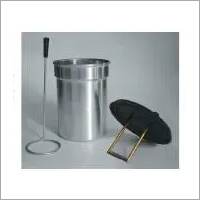
Tell us about your requirement

Price:
Quantity
Select Unit
- 50
- 100
- 200
- 250
- 500
- 1000+
Additional detail
Mobile number
Email

More Products in Heat Transfer Lab Equipment Category
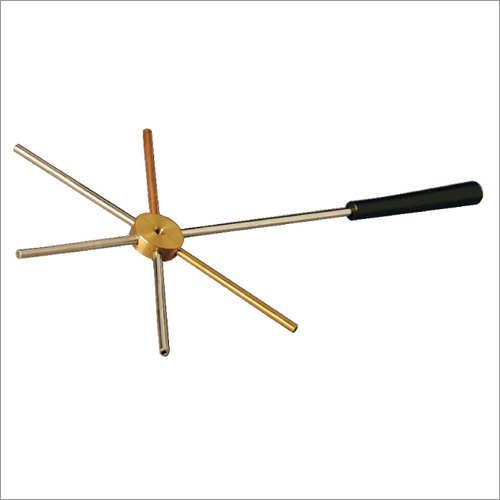
Five Rod Form Conductometer
Price Range 300.00 - 3000.00 INR / Piece
Minimum Order Quantity : 10 Pieces
Color : Golden and Black
Product Type : Conductometer
Feature : Durable and High Functionality
Material : Metal
Cylindrical Calorimeter Blocks
Price Range 500.00 - 2000.00 INR / Piece
Minimum Order Quantity : 10 Pieces
Color : Gray
Product Type : Calorimeter Blocks
Feature : Long Working Life and High Strength
Material : Aluminium, Steel and Copper
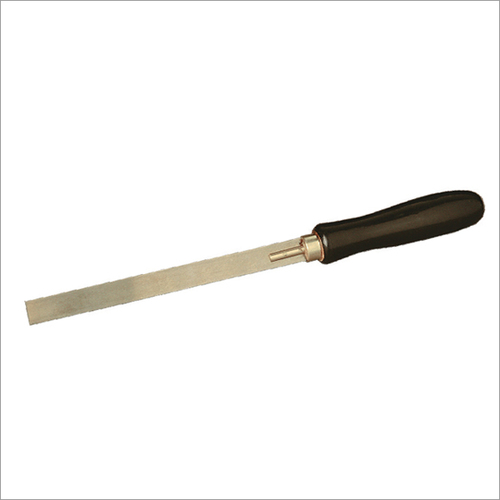
Compound Bar (Compound Strip)
Price Range 100.00 - 1000.00 INR / Piece
Minimum Order Quantity : 10 Pieces
Color : Grey and Black
Product Type : Compound Bar
Feature : Durable and High Functionality
Material : Metal and Wooden

Linear Expansion Apparatus (Economy)
Price Range 650.00 - 5000.00 INR / Piece
Minimum Order Quantity : 10 Pieces
Color : Black and White
Product Type : Expansion Apparatus
Feature : Durable and High Functionality
Material : SS and Carbon Steel

SADANA BROTHERS
SCI-LAB SOLUTION
SCI-LAB SOLUTION
Plot No- A-8/1, Naraina Ind. Area, Phase 1, New Delhi - 110028, India
Phone :08045800138
 Send Inquiry
 Send Inquiry
 Send SMS
SADANA BROTHERS
All Rights Reserved.(Terms of Use)
Developed and Managed by Infocom Network Private Limited.
Developed and Managed by Infocom Network Private Limited.

