

Call us now
08045800138

 Send Inquiry
Electrodes Without Binding Posts
MOQ : 1 Piece
Electrodes Without Binding Posts Specification
- Usage
- For Assembling Voltaic Cells, Electrolysis experiments
- Product Type
- Without Binding Posts Electrodes
- Material
- Aluminium, Carbon, Copper and Zinc
- Size
- 125 x 25 MM
- Feature
- Long Working Life and High Strength
Electrodes Without Binding Posts Trade Information
- Minimum Order Quantity
- 1 Piece
- Payment Terms
- Cash in Advance (CID), Cash Advance (CA)
- Supply Ability
- 500 Pieces Per Day
- Delivery Time
- 1 Week
- Packaging Details
- Carton Box
- Main Export Market(s)
- Western Europe, Middle East, Eastern Europe, South America, Asia, Central America, North America, Australia, Africa
- Main Domestic Market
- All India
About Electrodes Without Binding Posts
Electrodes Without Binding Posts
For assembling voltaic cells, electrolysis experiments etc. Size (l x w), 125 x 25mm.
| Material | Cat. No. |
| Aluminium | 3151-01 |
| Carbon | 3151-02 |
| Copper | 3151-03 |
| Iron | 3151-04 |
| Lead | 3151-05 |
| Zinc | 3151-06 |
Versatile Electrodes for Scientific Applications
Designed without binding posts, these electrodes facilitate easy insertion and removal during laboratory experiments. Suitable for both classroom demonstrations and advanced research, their robust build ensures they withstand frequent use in assembling voltaic cells and electrolysis setups.
Quality Materials for Longevity
Made from premium aluminium, carbon, copper, and zinc, our electrodes offer a superior combination of durability and reliable conductivity. Their long working life makes them a cost-effective solution for laboratories and industries seeking consistent performance.
FAQs of Electrodes Without Binding Posts:
Q: How are Electrodes Without Binding Posts used in assembling voltaic cells?
A: These electrodes serve as the primary conductive elements in voltaic cells, allowing the transfer of electrons between different chemical species. Without binding posts, they can be easily positioned and adjusted within cell assemblies to optimize contact and performance.Q: What materials are these electrodes made from, and what are their benefits?
A: Our electrodes are available in aluminium, carbon, copper, and zinc. Each material offers distinct electrochemical properties for various experiments. They are all selected for their high strength and resistance to wear, ensuring long-term usability and stable results.Q: When should I use electrodes without binding posts instead of those with posts?
A: Electrodes without binding posts are ideal when flexibility and ease of adjustment within the experimental setup are required. They are particularly useful in educational environments and situations where frequent repositioning is necessary.Q: Where are these electrodes commonly used?
A: These electrodes find applications in educational laboratories, research institutions, and industrial settings across India and internationally where assembling voltaic cells and conducting electrolysis experiments are routine procedures.Q: What is the process for using these electrodes in an electrolysis experiment?
A: Place the electrodes in the electrolyte solution, ensuring they are appropriately spaced for optimal current flow. Connect them externally to the power source using appropriate clips or holders, as their design facilitates quick setup and removal.Q: What are the main usage advantages of these electrodes size (125 x 25 mm)?
A: The 125 x 25 mm dimensions are optimized for standard laboratory apparatus, providing sufficient surface area for efficient electron transfer without being cumbersome. This size also simplifies handling and integration into most experimental setups.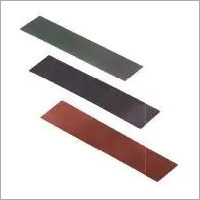
Tell us about your requirement

Price:
Quantity
Select Unit
- 50
- 100
- 200
- 250
- 500
- 1000+
Additional detail
Mobile number
Email

More Products in Electricity & Magnetism Category
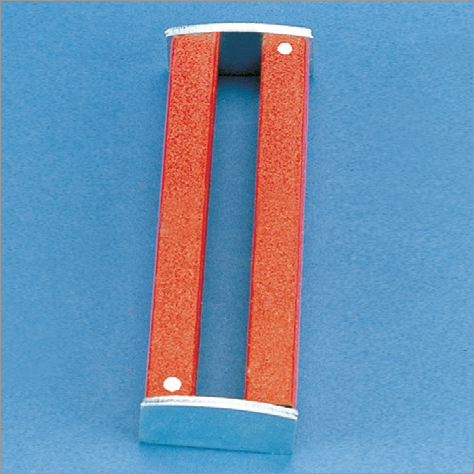
Magnets Bar Pair Alnico
Price Range 80.00 - 400.00 INR / Set
Minimum Order Quantity : 10 Sets
Product Type : Alnico Magnet Bar
Usage : For Laboratory and College Purpose
Feature : Durable and High Performance
Color : White and Red
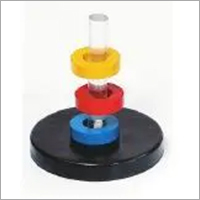
Magnetic Rings Set
Price Range 431.00 - 2500.00 INR / Piece
Minimum Order Quantity : 10 Pieces
Product Type : Magnet Set
Usage : For Laboratory and College Purpose
Feature : For Laboratory and College Purpose
Color : Black, Yellow, Red and Blue
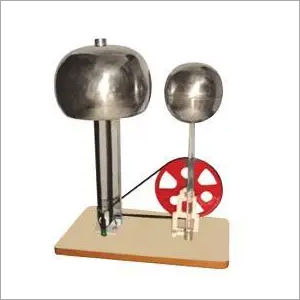
Van De Graff Generator Hand Driven
Price Range 1000.00 - 5000.00 INR / Piece
Minimum Order Quantity : 10 Pieces
Product Type : Hand Driven Van De Graff Generator
Usage : For Laboratory and College Purpose
Feature : Long Working Life and High Strength
Color : Silver and Red
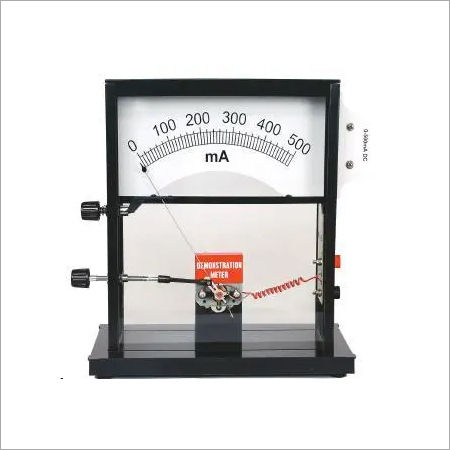
Shinco Demonstration Meter
Price Range 1000.00 - 5000.00 INR / Piece
Minimum Order Quantity : 10 Pieces
Product Type : Demonstration Meter
Usage : Laboratory
Feature : Corrosion Resistance
Color : White and Black

SADANA BROTHERS
SCI-LAB SOLUTION
SCI-LAB SOLUTION
Plot No- A-8/1, Naraina Ind. Area, Phase 1, New Delhi - 110028, India
Phone :08045800138
 Send Inquiry
 Send Inquiry
 Send SMS
SADANA BROTHERS
All Rights Reserved.(Terms of Use)
Developed and Managed by Infocom Network Private Limited.
Developed and Managed by Infocom Network Private Limited.

