

Call us now
08045800138

 Send Inquiry
Laboratory Food Calorimeter
Laboratory Food Calorimeter Specification
- Power Consumption
- Low power consumption
- Usage
- Used to measure the calorific value of food samples
- Voltage
- 230V
- Power Supply
- Standard AC current
- Product Type
- Laboratory Food Calorimeter
- Material
- Glass and Metal
- Size
- Compact design fits laboratory setups
- Style
- Modern laboratory equipment style
- Weight
- Lightweight for easy handling
- Feature
- Measures food calorific values precisely
- Color
- Transparent with Blue accents
About Laboratory Food Calorimeter
For determining the energy values of foods and fuels. Has aborosilicate glass calorimeter vessel, combustion chamber, open
at the bottom and an integral water jacket open at the top. A heat
exchanger of copper tubing is connected at the top of the combustion
chamber, and passes through a plastic lid, which is tted with a stout
wire stirrer and a hole for a thermometer. Calorimeter vessel on a
heat resisting platform provided with a support ring and boss head,
oxygen inlet tube and igniter coil mounting which can be raised,
lowered or swing aside by external controls.
Compact and User-Friendly Design
Designed with space-saving in mind, this laboratory calorimeter features a sleek, compact build that fits into varied laboratory environments without hassle. Its lightweight nature makes handling and relocation easy, while the stylish transparent glass and blue accent elevate the look of any lab setup.
Precision in Food Calorific Measurement
This calorimeter provides accurate measurements of the calorific value of food samples. Its advanced mechanisms ensure credible and reproducible results, making it indispensable for research, education, and food quality assessments.
FAQs of Laboratory Food Calorimeter:
Q: How does the Laboratory Food Calorimeter operate to measure calorific value?
A: The Laboratory Food Calorimeter works by burning a food sample in a controlled environment and measuring the heat produced during combustion. The device then calculates the calorific value of the food based on the heat energy released, providing precise and reliable readings.Q: What materials are used in the construction of this calorimeter?
A: This calorimeter is constructed using high-quality glass for visibility and measurement accuracy, along with sturdy metal components for durability and longevity. The transparent body with blue accents adds a modern, professional touch.Q: When is the ideal time to use a laboratory calorimeter in food analysis?
A: A laboratory calorimeter is best used during the analytical stages of food research, formulation, and quality testing, particularly when determining the energy content or nutritional value of food products in laboratories.Q: Where can this food calorimeter be most effectively utilized?
A: This calorimeter is designed for laboratory environments, including research institutions, educational facilities, food manufacturing quality control labs, and any specialized settings that require precise calorific value measurements of food samples.Q: What is the process of measuring calorific value using this equipment?
A: To measure the calorific value, place a prepared food sample into the calorimeters combustion chamber, ignite the sample, and allow the device to record the heat released. The result is then displayed as the calorific value of the food tested.Q: How does its low power consumption benefit laboratory operations?
A: The calorimeters low power consumption helps reduce operational costs and minimizes its environmental impact, making it a cost-effective and eco-friendly choice for daily laboratory use.Q: What advantages does this device offer to laboratories in India and abroad?
A: As a compact, lightweight, and reliable calorimeter manufactured and exported from India, it ensures high performance, ease of use, and international compatibility (230V AC), making it highly suitable for a broad range of laboratories worldwide.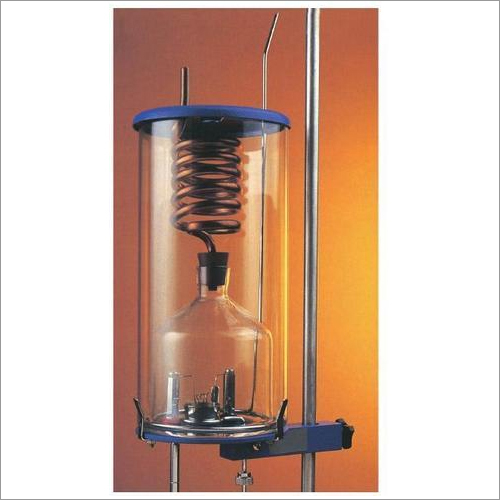
Tell us about your requirement

Price:
Quantity
Select Unit
- 50
- 100
- 200
- 250
- 500
- 1000+
Additional detail
Mobile number
Email

More Products in Biology & Earth Science Category
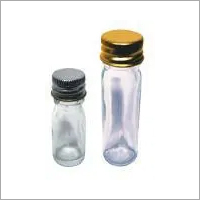
Glass Culture Bottle
Price Range 50.00 - 200.00 INR / Piece
Minimum Order Quantity : 10 Pieces
Color : Transparent
Product Type : Culture Bottle
Usage : For Laboratory, College and Hospital Purpose
Feature : Long Working Life
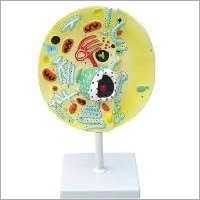
Model of Animal Cell
Price Range 1000.00 - 5000.00 INR / Piece
Minimum Order Quantity : 10 Pieces
Color : Mix Colour
Product Type : Animal Cell Model
Usage : For Laboratory, College and Hospital Purpose
Feature : Long Working Life
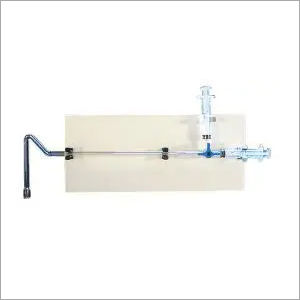
White Plastic and Glass Photosynthesis Apparatus
Price Range 250.00 - 1500.00 INR / Piece
Minimum Order Quantity : 10 Pieces
Color : White and Black
Product Type : Photosynthesis Apparatus
Usage : For Measurement and Analysis of gas evolved by water plants under Different Light Conditions
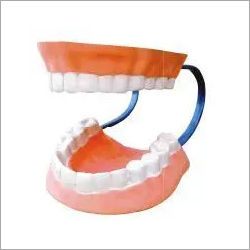
Model Of Human Teeth With Jaw
Price Range 500.00 - 5000.00 INR / Piece
Minimum Order Quantity : 10 Pieces
Color : White and Orange
Product Type : Human Teeth Model
Usage : For Laboratory and Dental
Feature : Elegant Look and High Strength

SADANA BROTHERS
SCI-LAB SOLUTION
SCI-LAB SOLUTION
Plot No- A-8/1, Naraina Ind. Area, Phase 1, New Delhi - 110028, India
Phone :08045800138
 Send Inquiry
 Send Inquiry
 Send SMS
SADANA BROTHERS
All Rights Reserved.(Terms of Use)
Developed and Managed by Infocom Network Private Limited.
Developed and Managed by Infocom Network Private Limited.

