

Call us now
08045800138

 Send Inquiry
Frictional Electricity Friction Rod
MOQ : 10 Pieces
Frictional Electricity Friction Rod Specification
- Power Supply
- White and Black
- Usage
- For Creating Frictional Electricity
- Product Type
- Friction Rod
- Material
- Glass,Bakelite and Ebonite
- Size
- 250-300 x 10-13 MM
- Color
- Long Working Life and High Strength
Frictional Electricity Friction Rod Trade Information
- Minimum Order Quantity
- 10 Pieces
- Payment Terms
- Cash in Advance (CID), Cash Advance (CA)
- Supply Ability
- 500 Pieces Per Day
- Delivery Time
- 1 Week
- Packaging Details
- Carton Box
- Main Export Market(s)
- Western Europe, Middle East, Africa, Australia, Central America, Eastern Europe, South America, Asia, North America
- Main Domestic Market
- All India
About Frictional Electricity Friction Rod
Friction Rod
For creating frictional electricity with materials like silk, wool, fur for charging electroscopes etc.
Approximate dimensions of solid rods are (l x d) 250-300 x 10-13mm
| Soda Galss, Solid | 3128-01 |
| Glass ( borosilicate) tubular with one end drawn | 3128-02 |
| Plastic Solid ( bakelite) | 3128-03 |
| Ebonite ( hard rubber) | 3128-04 |
| Polyethylene | 3128-05 |
| Sealing wax square, Shellac 200 x 10 x 10mm | 3128-06 |
Robust Material Selection
Our friction rods are crafted using glass, bakelite, and ebonite, ensuring durability and resilience during repeated use. Each material provides unique frictional properties, catering to diverse experimental needs in generating static electricity.
Versatile Application and Export Quality
Manufactured in India and meeting global standards, our friction rods serve as essential tools for educators, researchers, and students. Their reliable performance and quality have made them a preferred product for export and domestic usage alike.
FAQs of Frictional Electricity Friction Rod:
Q: How is the Frictional Electricity Friction Rod used to create electricity?
A: To generate frictional electricity, simply rub the rod with a suitable material (like wool or silk cloth). This action transfers electrons, resulting in a buildup of static electricity on the rods surface.Q: What materials are the friction rods made from?
A: Our friction rods are made from high-quality glass, bakelite, and ebonite. Each material supports differing frictional behaviors, aiding various experimental outcomes.Q: When should I use a glass, bakelite, or ebonite friction rod?
A: Choose the rod material based on your experiments requirements; glass rods are typically used with silk, while ebonite rods pair with fur or wool. The combination influences the type and magnitude of charge produced.Q: Where are these friction rods manufactured and exported from?
A: The rods are produced in India, adhering to strict quality standards, and are exported to educational institutions and research centers globally.Q: What is the benefit of using friction rods with a long working life and high strength?
A: Their robust construction ensures consistent results, minimizes wear, and provides a dependable solution for repeated laboratory and classroom demonstrations.Q: What are the available sizes and color options for the friction rods?
A: We offer rods measuring 250-300 mm in length and 10-13 mm in diameter, with white and black color options to suit various preferences and identification needs.Q: Can these friction rods be used for educational purposes?
A: Absolutely. They are designed for classroom and laboratory demonstrations, making them an excellent choice for illustrating the principles of frictional electricity to students.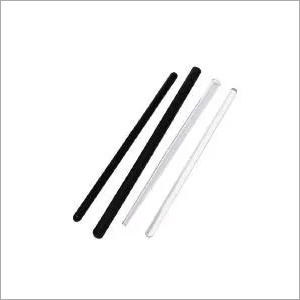
Tell us about your requirement

Price:
Quantity
Select Unit
- 50
- 100
- 200
- 250
- 500
- 1000+
Additional detail
Mobile number
Email

More Products in Electricity & Magnetism Category
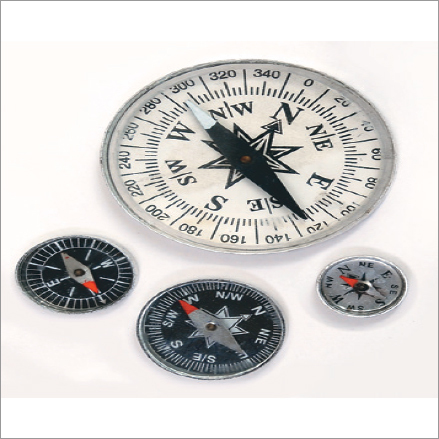
Laboratory Magnetic Compass
Price Range 50.00 - 500.00 INR / Piece
Minimum Order Quantity : 10 Pieces
Feature : Long Working Life
Color : Black and White
Product Type : Magnetic Compass
Material : Aluminium

Flask Type Electroscope
Price Range 50.00 - 450.00 INR / Piece
Minimum Order Quantity : 10 Pieces
Feature : Long Working Life and High Strength
Color : Transparent and Red
Product Type : Electroscope
Material : Rubber, Aluminium and Glass
Electrolysis Cell For Science Laboratory
Price Range 150.00 - 1500.00 INR / Piece
Minimum Order Quantity : 10 Pieces
Feature : Durable and High Functionality
Color : Pink, Red, Blue and White
Product Type : Electrolysis Cell
Material : Glass, Metal and Rubber
Solenoid Iron Core
Price Range 1000.00 - 5000.00 INR / Piece
Minimum Order Quantity : 10 Pieces
Feature : Durable and High Functionality
Color : Copper and Silver
Product Type : Solenoid (Helix)
Material : Copper Wire and Iron

SADANA BROTHERS
SCI-LAB SOLUTION
SCI-LAB SOLUTION
Plot No- A-8/1, Naraina Ind. Area, Phase 1, New Delhi - 110028, India
Phone :08045800138
 Send Inquiry
 Send Inquiry
 Send SMS
SADANA BROTHERS
All Rights Reserved.(Terms of Use)
Developed and Managed by Infocom Network Private Limited.
Developed and Managed by Infocom Network Private Limited.

