

Call us now
08045800138

 Send Inquiry
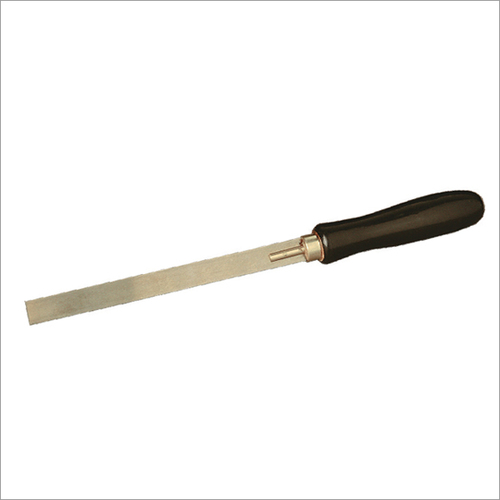
Five Rod Form Conductometer
MOQ : 10 Pieces
Five Rod Form Conductometer Specification
- Usage
- For Laboratory Purpose
- Product Type
- Conductometer
- Material
- Metal
- Size
- 125 MM
- Feature
- Durable and High Functionality
- Color
- Golden and Black
Five Rod Form Conductometer Trade Information
- Minimum Order Quantity
- 10 Pieces
- Payment Terms
- Cash in Advance (CID), Cash Advance (CA)
- Supply Ability
- 500 Pieces Per Day
- Delivery Time
- 1 Week
- Sample Available
- Yes
- Sample Policy
- Contact us for information regarding our sample policy
- Packaging Details
- Carton Box
- Main Export Market(s)
- Australia, Central America, North America, South America, Eastern Europe, Western Europe, Middle East, Africa, Asia
- Main Domestic Market
- All India
About Five Rod Form Conductometer
For demonstrating the different heat conductivity of five metals by observing the melting of wax. Consists of five rods (I x d), 75x 5mm of aluminium, brass, iron, copper, and stainless steel which are radially fitted on a brass disk of about 27mm diameter. Each of these rods have a cavity at the outer end for holding paraffin wax. The central disk is joined to an insulated handle by 125mm long plated steel rod. Overall length about 32cm.
Precision in Thermal Conductivity Measurement
This five rod conductometer provides an accurate means to examine the thermal conductivity of various metals. Its sturdy metal rods and high-quality assembly ensure precise results, making it a preferred choice for laboratory experiments in schools, colleges, and research institutions.
Durability Meets Functionality
Built from premium metal and engineered for high functionality, this device is designed to withstand rigorous laboratory use. Its golden and black color scheme not only offers aesthetic appeal but also symbolizes its enduring quality and reliability in scientific environments.
FAQs of Five Rod Form Conductometer:
Q: How is the Five Rod Form Conductometer used in laboratory settings?
A: In laboratories, the conductometer is used to compare and demonstrate the thermal conductivity of different metal rods, enabling students and researchers to observe heat transfer efficiently and understand related concepts.Q: What materials make up this conductometer?
A: This conductometer is constructed from durable metal, which ensures longevity and reliable performance. Its sturdy design supports numerous laboratory experiments over time.Q: When should one use the Five Rod Form Conductometer?
A: This device is best utilized during lessons or experiments that aim to investigate and compare the heat conductivity properties of various metals within a controlled laboratory environment.Q: Where is the Five Rod Form Conductometer manufactured and exported from?
A: The conductometer is manufactured in India and exported globally, ensuring access to high-quality laboratory instruments for scientific institutions everywhere.Q: What is the process of conducting an experiment with this instrument?
A: To use the conductometer, each rod is heated simultaneously at one end, and the rate of heat transfer along each rod is observed, allowing the comparison of thermal conductivity across different metals.Q: What are the benefits of using this conductometer in laboratories?
A: The primary benefits include durable construction, high functionality, and precise measurement capabilities that facilitate clear demonstration and understanding of heat conduction principles.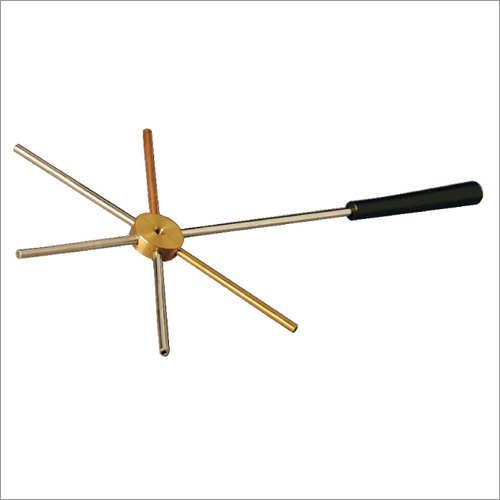
Tell us about your requirement

Price:
Quantity
Select Unit
- 50
- 100
- 200
- 250
- 500
- 1000+
Additional detail
Mobile number
Email

More Products in Heat Transfer Lab Equipment Category
Joules Calorimeter (Economy Model)
Price Range 700.00 - 4500.00 INR / Piece
Minimum Order Quantity : 10 Pieces
Color : Silver
Product Type : Joules Calorimeter
Feature : Durable and High Functionality
Material : Copper and Aluminum
Copper Calorimeter For Laboratory
Price Range 700.00 - 3500.00 INR / Piece
Minimum Order Quantity : 10 Pieces
Color : Copper Colour
Product Type : Calorimeter
Feature : Durable and High Functionality
Material : Copper
Laboratory Leslie Cube
Price Range 50.00 - 450.00 INR / Piece
Minimum Order Quantity : 10 Pieces
Color : Black
Product Type : Leslie Cube
Feature : Durable and High Functionality
Material : Metal and Plastic
Compound Bar (Compound Strip)
Price Range 100.00 - 1000.00 INR / Piece
Minimum Order Quantity : 10 Pieces
Color : Grey and Black
Product Type : Compound Bar
Feature : Durable and High Functionality
Material : Metal and Wooden

SADANA BROTHERS
SCI-LAB SOLUTION
SCI-LAB SOLUTION
Plot No- A-8/1, Naraina Ind. Area, Phase 1, New Delhi - 110028, India
Phone :08045800138
 Send Inquiry
 Send Inquiry
 Send SMS
SADANA BROTHERS
All Rights Reserved.(Terms of Use)
Developed and Managed by Infocom Network Private Limited.
Developed and Managed by Infocom Network Private Limited.

